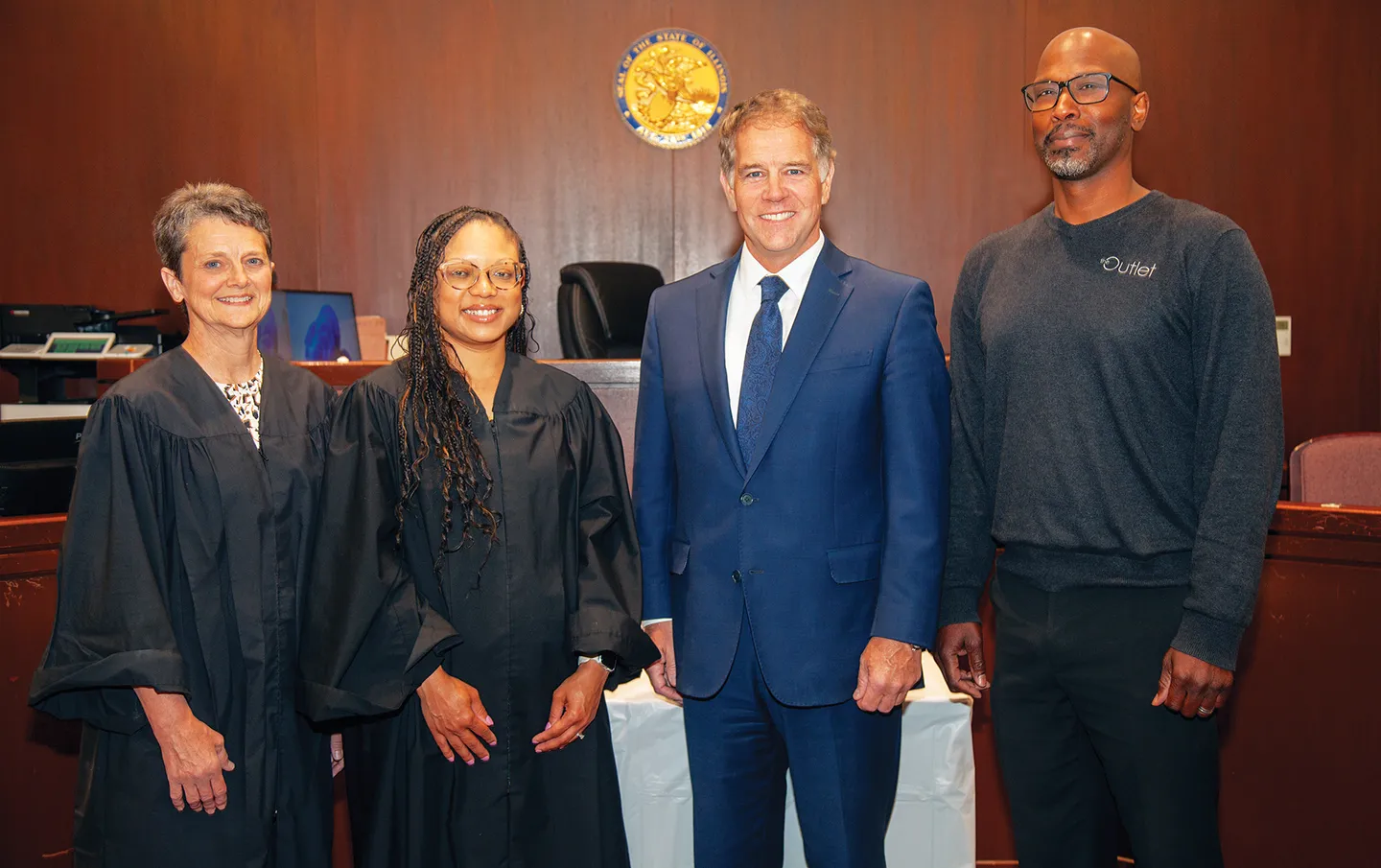
As reported by the Illinois Times, Sangamon County officials are celebrating a new pilot program they’re calling “early intervention,” complete with a graduation ceremony, certificates, and glowing quotes about “building leadership” in kids as young as 10-12 who’ve already dipped their toes into the juvenile justice system.
Partnered with the State’s Attorney’s Office, juvenile court, probation services, and The Outlet youth center—and partially bankrolled by the Illinois Department of Human Services—this feel-good mentoring scheme offers anger management classes, emotional development sessions, career guidance, and regular check-ins with schools and families.
The goal? Divert these young troublemakers from formal prosecution and stop the “cycle of incarceration” before it really starts.
It sounds compassionate. But a hard look at the data reveals a different story: by the time these boys are making “poor decisions” with minor nonviolent offenses, the window for meaningful turnaround has slammed shut.
This program isn’t early intervention—it’s a late-stage Hail Mary thrown at kids whose life trajectories were set years earlier by the one factor no government bureaucrat wants to name: horrible failures for parents.
Decades of rigorous research make this crystal clear. Antisocial behavior doesn’t sprout out of thin air at age 10. Studies tracking male juveniles show problem behaviors begin on average around age 7, with serious issues emerging by 9 or 10 and delinquency by 12. The real root cause in the overwhelming majority of cases? Dysfunctional family environments—poor parental supervision, rejection, inconsistent or harsh discipline, family conflict, abuse or neglect, parental criminality, and substance abuse.
These aren’t abstract “social factors.” They’re the direct result of parents who abdicate their most basic responsibilities. As one comprehensive review of over 70 studies concluded, the strongest predictors of delinquency are exactly these parenting failures.
And once those patterns take hold, government mentoring and diversion programs offer little more than theater. Recidivism rates for kids entangled in the justice system between ages 10 and 12 are devastatingly high. One longitudinal analysis found that juveniles first sentenced at 10-12 reoffend at an 86% rate over six years—more than double the rate for those first sentenced at 19-20. Even “successful” diversion graduates in programs similar to Sangamon’s see rearrest rates around 38% within two years.
Why the consistent failure? Because the science is unambiguous: meaningful intervention must happen much earlier—ideally before age 5—if it’s to have any chance. Conduct problems follow developmental trajectories.
The “life-course persistent” path, which leads to chronic adult criminality, is rooted in neuropsychological deficits compounded by terrible parenting in the preschool years. Parent-training programs succeed at rates as high as 63% for kids ages 3½ to 6, but plummet to just 27% for those 6½ to 12.
Landmark efforts like the HighScope Perry Preschool Project (targeting at-risk 3- and 4-year-olds) and nurse-family visitation programs during infancy delivered real, decades-long reductions in arrests by fixing family dynamics before damage became entrenched. By ages 10-12, the cumulative effects of bad parenting—poor self-control, rejection by prosocial peers, academic failure—have already stacked the deck.
Illinois politicians keep doubling down on the same failed model: more social-service spending, more bureaucrats, more programs that treat symptoms, while the disease—family breakdown—festers.
The Sangamon County initiative’s own backers admit kids face “negative influences” and that “it’s hard to be a kid.” What they won’t say is that the most destructive negative influence is often the home they return to every night.
The goal? Divert these young troublemakers from formal prosecution and stop the “cycle of incarceration” before it really starts